
Last Updated: March 12, 2026 | By Rahul More

What is gut health? The balance and functioning of billions of bacteria that are living in your digestive system is known as gut health. Having a variety of good bacteria that help with digestion, produce vitamins, control immunity, affect mood through gut-brain axis is important for a healthy gut. When you have a good gut health, you experience normal bowel movements, less bloating, stable energy, strong immunity and reduced inflammation throughout the body.
Understanding Your Gut Health and Microbiome
Your gut health depends entirely on the bacteria flourishing in your stomach and intestines, which scientist call as microbiomes. These microorganisms weigh between two to five pounds, almost the same as your brain which also outnumber the cells in your body ten to one. This is more than just trivia; your gut bacteria actively influences virtually every aspect of your health through complex connections with your immune system, nervous system and metabolic processes.
A healthy microbiome consists of hundreds of various bacterial species creating beneficial environment, eliminating harmful invaders protecting your intestinal lining. When this ecosystem gets disturbed, it causes condition known as dysbiosis, which affects more than just your digestion. Poor gut health is linked with obesity, heart diseases, autoimmune conditions, depression, anxiety and even brain disorders such as Alzheimer’s.
Gut Health Breakthroughs in 2026
In December 2025, a revolutionary discovery was made about gut health and microbiomes that is transforming medicines. According to groundbreaking study from Harvard, certain gut bacteria produce molecules that directly controls how your body burns or stores fat. This explains why two different individuals eating the same diet can have completely different weight outcomes based on their microbiomes composition.
Northwestern University scientists revealed in January 2026 that your gut health literally shapes your brain. The bacteria in your gut produce compounds that cross into your brain and influence memory, learning, and emotional regulation. Poor gut health in childhood may even affect brain development, while improving gut health in adults can enhance cognitive function and mood.
In January 2026, Northwestern University scientist discovered that your gut health literally changes your brain. Your gut bacteria produces compounds that enter your brain and affect your memory, learning and mood. Improving gut health in adults can enhance mood and cognitive functions, but poor gut health in children may even impact their brain development.
The Gut-Brain Axis: Why Gut Health Affects Your Mind
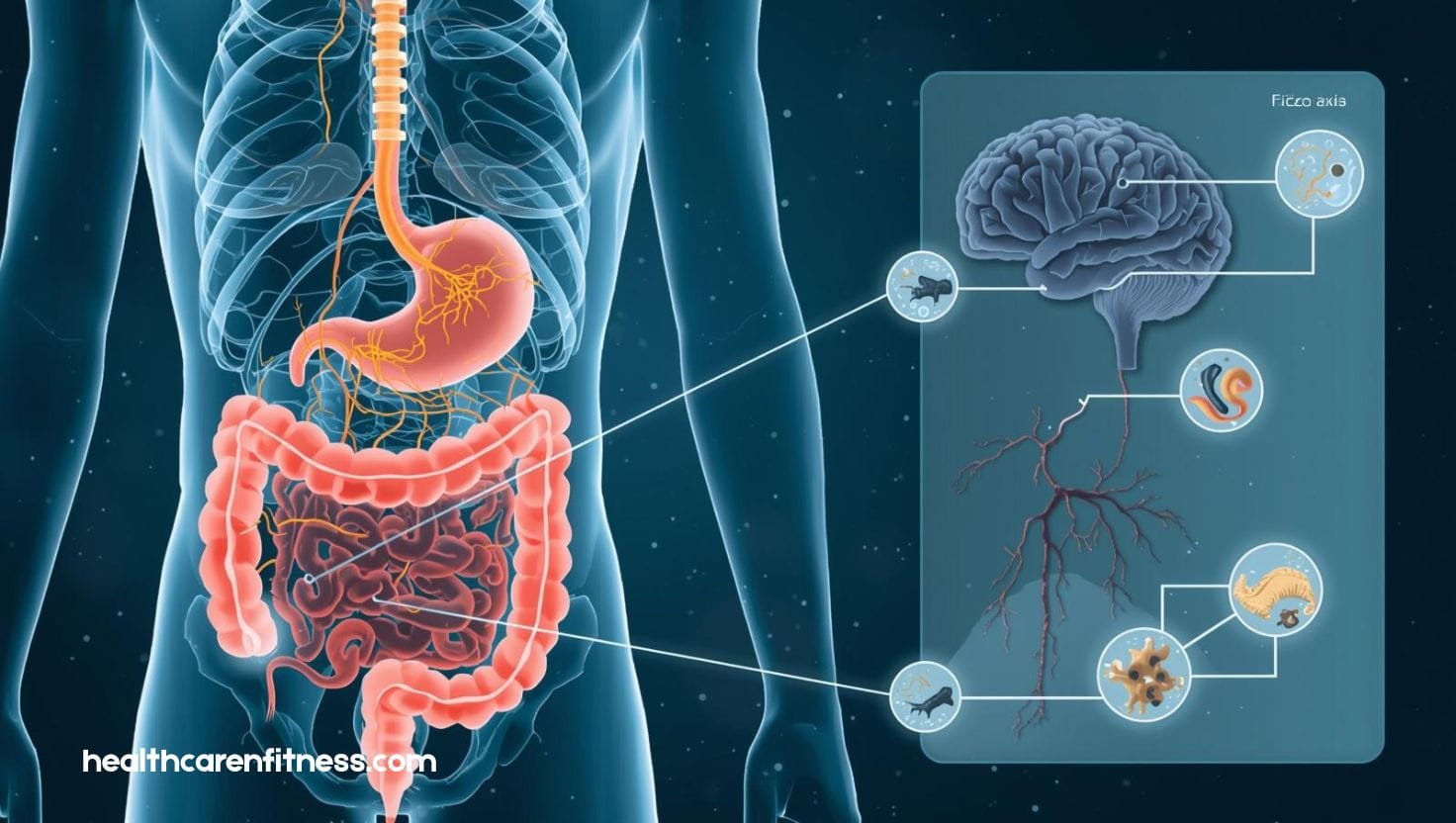
Your gut health has a direct impact on your brain, scientists refer it as gut-brain axis, a complex communication network connecting your digestive system to your brain. Your gut is often called as “second brain”, which contains about 100 million nerve cells forming the enteric nervous system. Through the vagus nerve, this vast neural network communicates continuously with your brain while operating independently.
How Poor Gut Health Causes Mental Health Problems
There is much deeper connection between your gut health and mental wellness than most people realize. Your gut bacteria produces neurotransmitters, which are same chemical messengers that your brain uses to control mood. Surprisingly, about 90% of your body’s serotonin which is known as “happiness hormones” and is surprisingly produced by your gut and not by your brain. Dopamine, GABA and other brain chemicals which affects your stress reaction, mental clarity and emotional state are also produced by microbiomes.
Declining gut health can cause psychological issues. Various studies suggest that people with depression, anxiety, ADHD and autism spectrum disorders often have abnormal gut bacteria patterns. Studies from 2025 shows that improving your gut health with probiotics and dietary changes reduces anxiety symptoms by 30-40% and depression level by almost same margins, these results are similar to those of antidepressant drug at that too without any side effects.
Another crucial link is provided by the inflammation connection. When your gut is unhealthy, partially digested food particles and bacterial toxins can leak through your intestinal barrier into your bloodstream, causing inflammation throughout your body that eventually reaches your brain. This inflammation reaction causes brain fog, mood swings and cognitive decline. It also destroys neurons and disturbs brain chemistry. When your gut heals, this inflammation reduces, later your mental symptoms also improve within weeks.
Signs Your Gut Health Needs Attention
Your body gives you clear signal when your gut health is not well, but many people don’t realize that these are gut related issues. Understanding these signs early, may help you get proper treatment before they progress to serious diseases.
Digestive Symptoms of Poor Gut Health
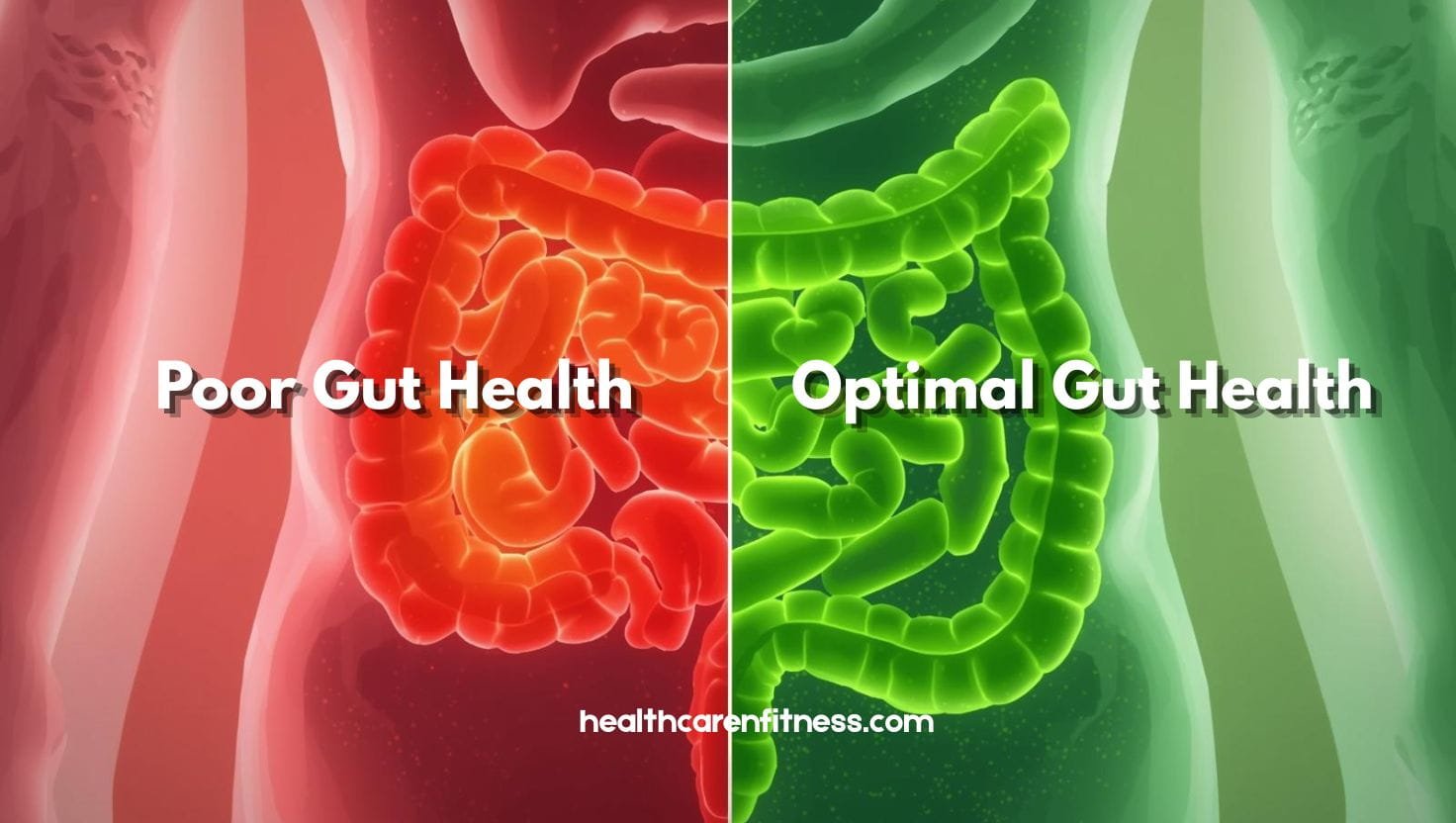
Poor gut health directly reflects in your digestive system. Frequent bloating after eating, is a sign that harmful bacteria are fermenting food and creating excess gas. Persistent diarrhea or constipation is a sign that your bowel movement and water absorption are not properly regulated by your gut bacteria. Microbiome imbalance affects stomach acid production and the sphincter separating your stomach from esophagus causing acid reflux and heartburn.
The presence of undigested food in your stool indicates that your intestinal lining, isn’t absorbing nutrients or that your gut health has declined to a point where you are not making enough digestive enzymes. Sudden food intolerances developed in adulthood, especially to the foods that you normally ate without any issues, says that your gut flora has an imbalance or you may have a leaky gut.
Systemic Signs of Microbiome Problems
Gut issues affects your whole body, not just your digestive system. Long term fatigue despite getting enough sleep is often linked to gut bacteria imbalance affecting your energy and nutrient absorption. Your microbiome produces B vitamins that are necessary for energy metabolism, so when good bacteria decreases so does your energy.
Skin problems such as acne, eczema, rosacea and premature aging are commonly due to gut health issues. Your gut-skin axis, bacterial imbalance, intestinal inflammation and food sensitivity leads to skin irritation. After improving gut health with food and probiotics, many patients report skin improvements within 4-8 weeks.
The link between gut and brain is a frequent cause of brain fog, poor focus and memory issues. Cognitive function declines when your microbiomes produces inflammatory compounds instead of helpful neurotransmitters. Since your gut contains 70% of your immune system, frequent infection, colds, flu are indications of weak immune system.
Even unexplained weight gain and difficulty in weight loss despite of proper diet and exercise are linked with microbiome issues. Some gut bacteria can trigger inflammation disrupting metabolic hormones. Improving gut health can lead to easier weight management even without harsh diets.
Major Culprits Behind Poor Gut Health
Our modern lifestyle has unfortunately created a perfect environment to damage our gut.
The Standard American Diet
Gut health is destroyed by the modern diet in many ways. Processed foods, artificial additives and preservatives directly harm your intestinal barrier. These foods starve good bacteria while feeding the bad ones. A research paper from Science Direct 2025 showed that emulsifiers like polysorbate-80 and carboxymethylcellulose which are commonly used in processed foods, decreases the protective mucus layer lining the stomach, giving an entry to the germs and toxins that irritate the intestinal cells.
Sugar feeds harmful gut bacteria and yeast, causing them to multiply more than the beneficial species. Ironically, artificial sweeteners used by many to avoid sugar, can be more lethal for your gut health. The most serious issue with the gut health is the lack of fiber in traditional diets. An average American consume only 15 grams of fiber a day, when 30 to 40 grams are necessary for optimal healthy gut. Fiber is a good food for good bacteria, which digest it into short-chain fatty acids that fuel intestinal cells, reduce inflammation and boost immunity.
Overuse of Antibiotics and Medications
Antibiotics are good for killing harmful bacteria, but they are weapons that don’t discriminate and also kill the good bacteria. Your microbiome can get completely destroyed with just a single course of broad-spectrum antibiotics, which can reduce the diversity of bacteria by 25-50% in a matter of days. Research shows that some bacteria may not fully recover for months or even years following antibiotic treatments.
Now, the antibiotics not only kills bacteria but can also trigger overgrowth of opportunistic organisms like Candida yeast or Clostridium difficile that can cause serious infections. According to 2025 research from Clinical Gastroenterology and Hepatology (CGH) journal, antibiotics exposure is linked to increased risk of obesity, allergies, asthma and inflammatory bowel disease in adolescence and adulthood. Ibuprofen and naproxen are examples of non-steroidal anti-inflammatory medicines (NSAIDs) that impair gut health by increasing intestinal permeability and causing minor intestinal injury. Proton pump inhibitors (PPIs) which are used as medication for heartburn can change the amount of acid in stomach, which disrupts gut bacteria balance and can worsen reflux.
Chronic Stress and Poor Sleep
Your gut health is extremely sensitive to stress. Chronic stress causes your body to create cortisol and other stress hormone, which directly affects the composition of gut bacteria and damage your intestinal barrier. Additionally the stress response also reduces blood flow to digestive tract and prevents the generations of stomach acids.
In similar way, poor sleep can affect the gut health. Like the rest of your body, your gut microbiomes influenced by circadian rhythms. Disturbing this rhythms through irregular sleep cycles can cause dysbiosis. Studies show that just one night of poor sleep can change the composition of gut bacteria.
Related: Natural Home Remedies for Insomnia
Best Foods for Gut Health

Your diet is the first step towards a healthy gut. And healthy food and nutrition is most important pillar of our holisitic health blog. Certain foods starve bad bacteria and repair your gut lining while simultaneously providing nutrition and good bacteria your microbiome needs to flourish.
Fermented Foods: Living Probiotics
Live good bacteria found in fermented foods, directly enter your stomach and starts competing with the harmful bacteria. Fermented foods sometimes include hundreds of different beneficial species, providing much more diversity than probiotic pills that typically contain 1-10 bacterial strains.
Yogurt is the most accessible fermented food for most of the people. Choose unsweetened, full-fat varieties that contains Lactobacillus and Bifidobacterium strains. One cup a day, can give you vitamins, calcium and protein, plus billions of good bacteria.
Kefir is the most powerful probiotic foods available as it contains 30-50 different strains of bacterial, instead of 2-7 strains seen in yogurt. Bacteria in kefir, boost immunity, promote digestion and also increase bone density. If you don’t want dairy, fermented veggies like sauerkraut offer best probiotics for gut health and bloating. Beneficial Lactobacillus species grow rapidly during the fermentation of cabbage, generating vitamin C, vitamin K, and other beneficial chemicals. You should select unpasteurized sauerkraut instead of pasteurization destroys the live bacteria that makes it beneficial for gut health.
In addition to garlic, ginger and chili peppers, the Korean fermented dish kimchi also contains special beneficial bacteria like Lactobacillus, which promotes healthy gut. Article published by WebMD have shown that consuming kimchi can improve digestive health, lower inflammation and even help with weigh management. Because of its tangy flavor and fizziness like soda, kombucha a fermented tea has become incredibly popular. While it contains probiotics and antioxidants which are good for healthy gut, kombucha should be drank in moderation due to its high sugar content.
Prebiotic Fiber: Food for Good Bacteria
Probiotics provides beneficial bacteria, prebiotics feed those bacteria which allows them to grow and thrive. After surviving digestion in the small intestine, prebiotic fibers make their way to colon, where they are fermented by gut bacteria into short-chain fatty acids that supports intestinal cells, reduces inflammation and supports immunity. Probiotics cannot improve gut health, without the proper prebiotic fiber.
Garlic contains inulin and fructooligosaccharides (FOS) that strongly helps the growth of good bacteria. Studies have shown that prebiotic chemicals in garlic feeds Bifidobacterium strain of bacteria, which is essential for gut health. Onions of all varieties such as yellow, white and red contains substantial amount of inulin and FOS. These prebiotic fibers feeds good gut bacteria and also increases the production of butyrate, which fuels the colon cells and reduces inflammation. Including onions in daily meals is beneficial for your gut.
Asparagus has prebiotic fiber, along with antioxidants and anti-inflammatory chemicals. Just small amount of asparagus can increase the number of good bacteria. It also supports liver detoxification and also protects intestinal cells from damage. The resistant starch in bananas, particularly slight green, acts as a powerful prebiotic. This starch in green bananas, boosts butyrate production while feeding good bacteria.
The Complete Gut-Healing Protocol
After years of damage, your gut health restoration requires a systematic approach, which removes harmful factors and properly heals your intestinal lining. This program is called as “5R Program” which offers a thorough framework for enhancing gut health.
Phase 1: Remove Gut Irritants
To start your path towards healing your gut, you should eliminate the things that harm your intestinal lining and bacteria. Stay away from processed foods, refined sugars and artificial sweeteners for at least two weeks. These foods disturb your intestinal barrier, increasing inflammation and feeds harmful bacteria. Get rid of alcohol that damages your cells in the intestine. Consult your doctor and then reduce or eliminate NSAIDs and other drugs that harm your gut health.
Temporarily avoid common food sensitivities such as gluten, soy, dairy, corn and eggs. Not everyone is sensitive to these foods, but increasing permeability has led to many people having gut health issues.
Phase 2: Replace Beneficial Factors
After removing harmful ingredients, start adding foods and habits that improves gut health. Introduce fermented foods in small amounts to avoid overloading your system. Start with 1-2 teaspoons of sauerkraut or a few ounces of yogurt or kefir each day. Add a variety of prebiotic rich vegetables giving around 30-40 grams of fiber per day.
Have bone broth or collagen supplements to get amino acids that helps in healing of intestinal barrier. Collagens like glycine, proline, and glutamine supports intestinal cells and help seal leaky gut. Start with a high quality probiotic supplement containing multiple strains and 25-50 billion CFUs. You can take it everyday, preferably in morning on empty stomach.
Phase 3: Reinoculate Your Microbiome
During the reinoculation phase, you actively build your gut bacterial population to restore diversity and balance. This involves taking prebiotics and probiotics on a regular basis while creating an environment that supports the growth and multiplication of good bacteria.
Consume two to three different types of fermented food every day. For example, have yogurt with breakfast, kimchi with lunch, and sauerkraut with dinner. This helps your gut to populate with thousands of beneficial bacterial strains maximizing the diversity of microbiomes. Consume a variety of colorful vegetables such as apples, bananas, onions, garlic, asparagus and oats. If whole food source are not enough, you can start having prebiotic supplement.
Phase 4: Repair Your Intestinal Lining
Many people require specific support to repair the damage done to the gut, even after eliminating harmful irritants and reintroducing beneficial microorganism. In this repair phase, you use specific nutrients that intestinal cells use to regenerate and repair.
The best nutrition for gut healing is L-glutamine, according to studies. Glutamate is the key fuel source for your intestinal cells, thus taking 5-10 grams of it daily, speeds up the healing of the gut lining. For best absorption, take glutamine powder diluted with water on an empty stomach.
Research shows that zinc carnosine helps to heal erosions in the digestive tract, improve tight junctions and reduce inflammation. Take 75-150 mg of the supplement daily in between meals.
Mucilage from slippery elm and marshmallow root covers and calms sensitive intestinal issue, which helps in healing. For many generations, people have utilized these herbs to cure stomach issues. Aloe vera juice reduces inflammation and helps recover damaged mucosa. On an empty stomach consume two to four ounces of high-quality aloe vera juice twice a day.
Phase 5: Rebalance and Maintain
Once you complete the intense healing phases, continued focus on nutrition, lifestyle, stress management is necessary to maintain gut health. This rebalancing phase becomes your long-term, sustainable strategy for maintaining the health of your microbiome.
Maintain a varied, plant-based diet that includes whole foods and frequently add fermented foods. To promote the greatest amount of diversity in your microbiome, try to eat 30 different plant meals every week.
You can manage stress by techniques such as yoga, meditation, deep breathing and spending time in nature. Stress management is important because stress and gut health are closely related. Prioritize and stick to a regular sleep routine, aim to sleep seven to nine hours daily.
Exercise regularly but avoid overtraining. Moderate physical activity helps decrease inflammation and improves diversity of beneficial bacteria.
Related: How to Improve Gut Health and Digestion? Quick Tips
Gut Health and Weight Management
One of the most interesting areas of obesity research is the connection between gut health and body weight. Whatever your calorie consumption may be, the composition of your microbiomes has a major impact on whether you gain or lose weight. Understanding this connection, opens up new approaches to weight management.
How Gut Bacteria Control Your Weight
Your weight is influenced by your gut bacteria in many powerful ways. The number of calories obtained from the same foods varies depending on the type of bacteria. People with obesity have high number of bacteria that extract the most calories from food in their microbiomes, while naturally thin people have the bacteria that extract fewer calories from the same meal. A research has revealed that transferring gut bacteria from obese mice to slim mice leads to lean mice to gain weight even when their diet remains unchanged.
Gut bacteria also produces signaling molecules that influence fat storage and fat burning. Your body’s capacity to store or burn fat is greatly influenced by the balance between these bacterial groups. The inflammation connections shows another crucial mechanism. Bacterial toxins can enter your bloodstream because of your poor gut health, causing constant inflammation throughout the body. This inflammation affects insulin signaling, leptin sensitivity and other hormones that control appetite and metabolism. Your gut bacteria imbalance can lead to to increased hunger, decreased satiety, insulin resistance and greater possibility to store abdominal fat.
Improving Gut Health for Weight Loss
Without any calorie restriction, you can easily carry your weight management by restoring gut health. Focus on increasing your fiber intake, up to 30-40 grams daily from variety of plants. This decreases calorie absorption and feeds good bacteria. According to studies, just a 10 gram increase in daily fiber consumption is linked with a 4-5 pound weight loss over several months.
You can add fermented foods to your diet daily to introduce beneficial bacteria related to lean body composition. Studies, have shown that regular intake of fermented dairy products such as kefir and yogurt is associated with decreased body weight and a lower risk of obesity.
Have probiotic supplements and mostly containing the strains that helps managing weight. In several studies, Lactobacillus gasseri has been shown to help people lose weight. Over a 12 weeks period, participants lost 8-9% of the stomach fat. Lactobacillus rhamnosus, reduces fat and weight especially in women.
Frequently Asked Questions
How long does it take to improve gut health?
Everyone’s gut health journey is different depending on how bad the problem is, but usually you might see improvements in 1-2 weeks from simple changes like adding yogurt or kimchi and cutting junk foods. By 4-8 weeks, digestion gets better with regular bowel movements. You can notice bigger differences like clearer skin, steady weight and less inflammation in 2-3 months. For serious gut issues, like leaky gut or bacterial overgrowth, and fixing the gut lining can need 3-6 months, or even 6-12 months if chronic.
What are the best probiotics for gut health?
The right probiotics depends on your needs, like better digestion or boosting immunity. For everyday gut health, get a mix of Lactobacillus acidophilus, Bifidobacterium lactis, and Lactobacillus plantarum (25-50 billion CFUs). For boosting immunity Lactobacillus rhamnosus GG and Bifidobacterium bifidum works best. Women gets benefits from Lactobacillus rhamnosus and reuteri for urinary and vaginal health, while Lactobacillus gasseri helps with weight control. Fermented foods like yogurt, kefir and kimchi gives even more strains than any pills.
Does gut health affect mental health and mood?
Yes, your gut health affects mental health and mood because your gut and brain are strongly connected. Your gut bacteria make about 90% of serotonin in your body, which is called as happy hormone, plus dopamine and GABA, which controls mood, focus and stress. People having anxiety and depression often have different gut bacteria. Studies show that, with a health diet and probiotics you can cut symptoms by 25-50%, which is better than meds. Poor gut health also leaks toxins into blood causing brain inflammation, low mood and anxiety. If you fix your gut your mental health will be best.
Can gut health problems cause skin issues?
Yes, gut health directly affects your skin. When you have a leaky gut, bad bacteria, and toxins leaks into your blood, causing inflammation which results in acne, eczema and rosacea. As 70% of your immune system lives in your gut, imbalance in bacteria can mess with immunity leading to skin flare-ups. Poor gut absorption reduces deprives skin of key nutrients like zinc, vitamin A and omega-3s. By fixing your gut with less stress, better diet and probiotics, many can see clearer skin in just 4-8 weeks.
Does exercise improve gut health?
Regular exercise can help improve your gut health in many ways. Active people have more diverse gut bacteria, which gives better overall health. Moderate workouts such as brisk walking helps strengthen your gut lining to prevent leaky gut. However, if you exercise intensely without proper rest, it may cause problems such as higher permeability, particularly in endurance athletes. Hence, you should do steady, moderate activity along with a good diet for best microbiome benefits.
Conclusion
Improving your gut health is the key and most important step towards overall health and wellbeing. There are plenty of studies that have shown, that your microbiome affects everything from digestion to immunity, mental health, weight control, inflammation, disease risk and even your brain functions.
The good news? You don’t need costly testing, complicated procedures and exotic supplements to restore your gut health. Eating different varieties of plant-rich diet that includes more than 30 different plant foods each week, eating fermented foods daily to get natural probiotics, increasing fiber intake from whole food sources, eliminating processed foods and refined sugars, managing stress, regular proper sleep and moderate exercise are all basic principles that everyone can follow for a healthy gut.
Remember that improving your gut health is a process rather than a final goal. Every healthy choice you make promotes the growth of good bacteria, eliminates harmful bacteria and moves you closer to optimal wellness.
Medical Disclaimer: This article is just for educational purpose and not a medical advice. No disease is meant to be diagnosed, treated, cured or prevented by this information. Before making any changes to your food or health routine, always consult a trained healthcare professionals. This is especially important for pregnant or nursing ladies, individuals having existing medical conditions, or having a specific health concerns. We make no guarantees regarding outcomes from implementing information shared here.
Was this helpful?…